Reliable Flow Control for High-Density Computing
TALOAR liquid cooling valve solutions support precise flow regulation, dependable isolation and stable hydronic performance across data center cooling loops, CDUs and facility water systems.
As rack power density rises, liquid cooling is becoming an important part of modern data center thermal management. Whether a system uses direct-to-chip cooling, a coolant distribution unit (CDU), rear-door heat exchangers or a facility cooling-water loop, its valves must control flow accurately while maintaining reliable isolation and minimizing pressure loss. TALOAR offers a broad range of liquid cooling valves for primary and secondary cooling circuits, from terminal branches to large facility headers.
Our portfolio includes pressure-independent control valves, motorized control valves, electric butterfly valves, balancing valves and ball valves. These products can be selected for cooling water, water-glycol mixtures and other compatible heat-transfer fluids according to system pressure, temperature, flow rate, pipe size, connection type and control requirements.
A complete liquid cooling architecture contains several flow-control points. Correct valve selection helps the system distribute coolant as designed, isolate equipment for service and respond to changing thermal loads.
Modulating and pressure-independent valves regulate coolant through heat exchangers and secondary loops, supporting stable flow as IT loads change.
Compact shut-off valves allow individual racks, cooling distribution units or branch circuits to be isolated for commissioning and maintenance.
Butterfly valves and control valves handle larger chilled-water and condenser-water pipes between plant equipment, heat exchangers and data halls.
Automated isolation supports fast switching between duty and standby cooling paths, helping maintain continuous thermal management.
TALOAR selects data center cooling valves around the function of each position rather than applying one valve type throughout the system. The following existing product families cover regulation, balancing and isolation requirements.
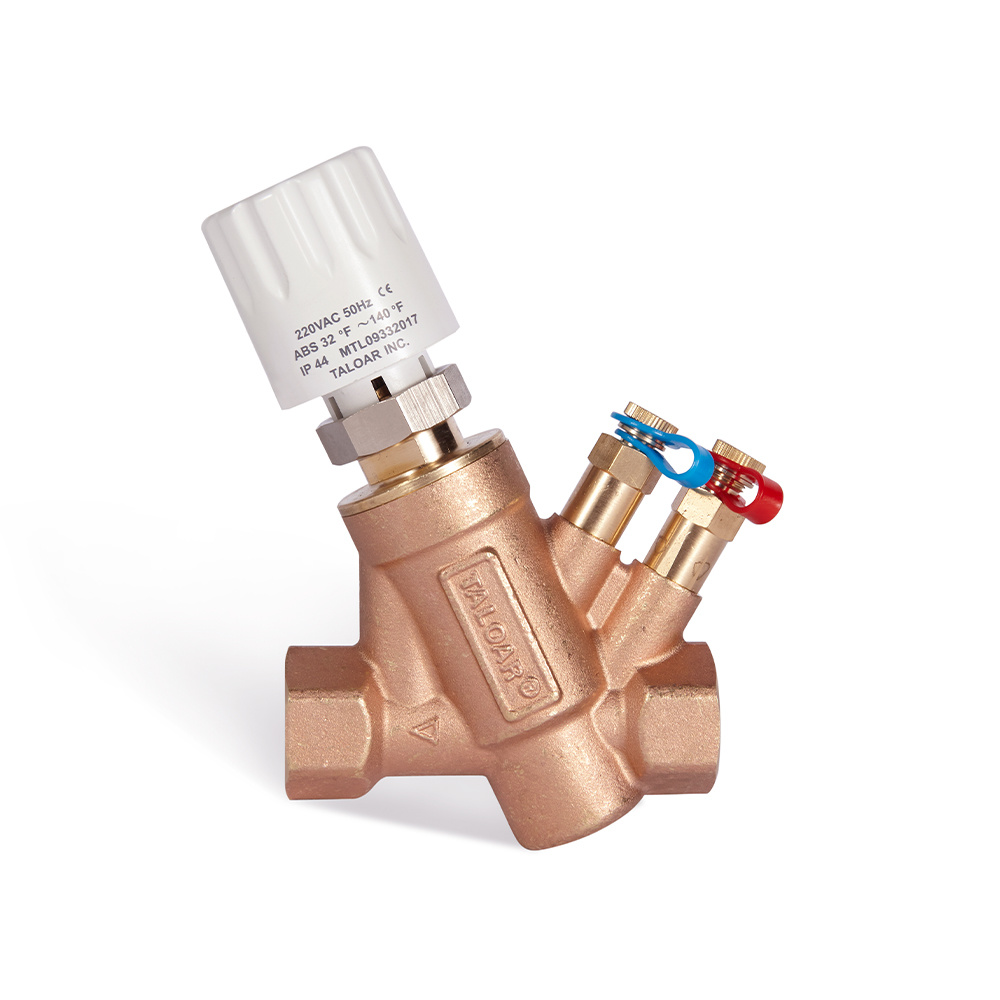
Combine flow control and balancing functions to maintain design flow despite differential-pressure changes. Suitable for variable-flow cooling branches and heat-exchanger circuits.
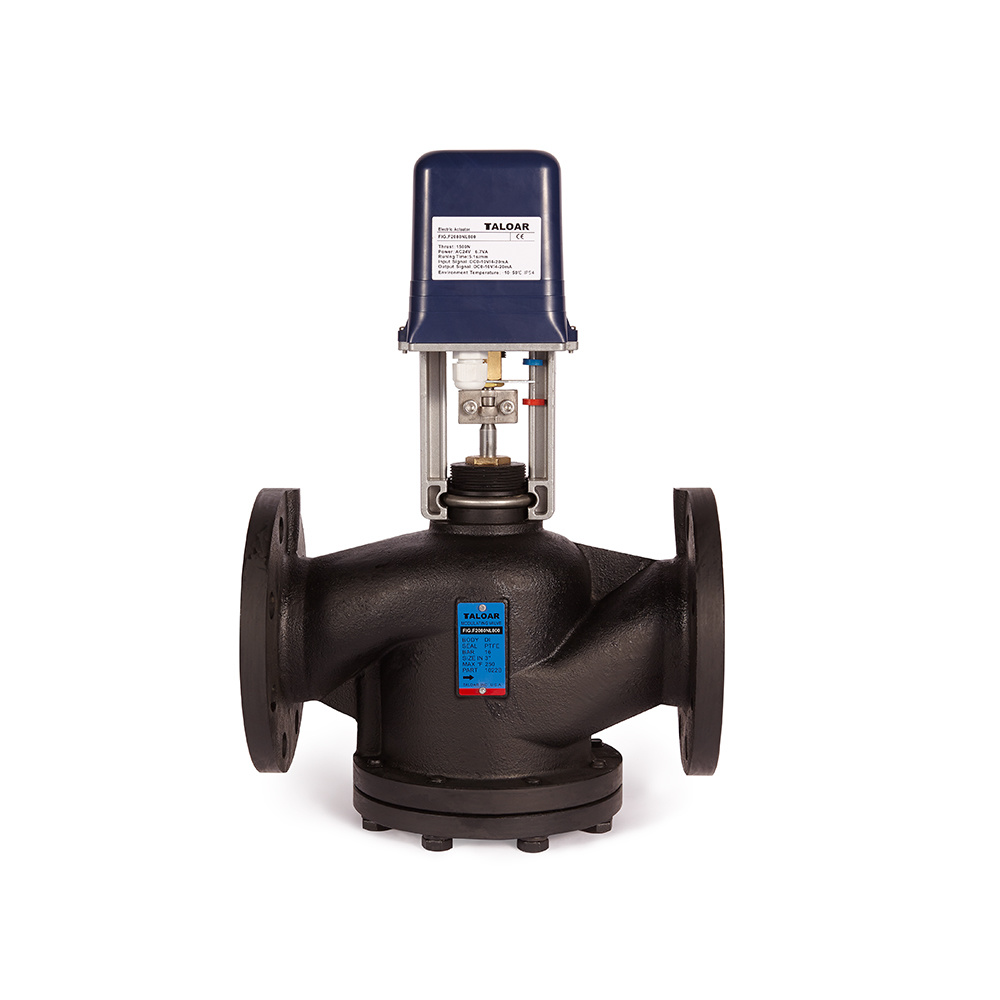
Provide automated modulating or on/off control for CDU, heat-exchanger and facility-water loops, supporting integration with a building or cooling control system.

A practical automated isolation option for medium and large cooling-water pipes where compact installation and efficient shut-off are required.
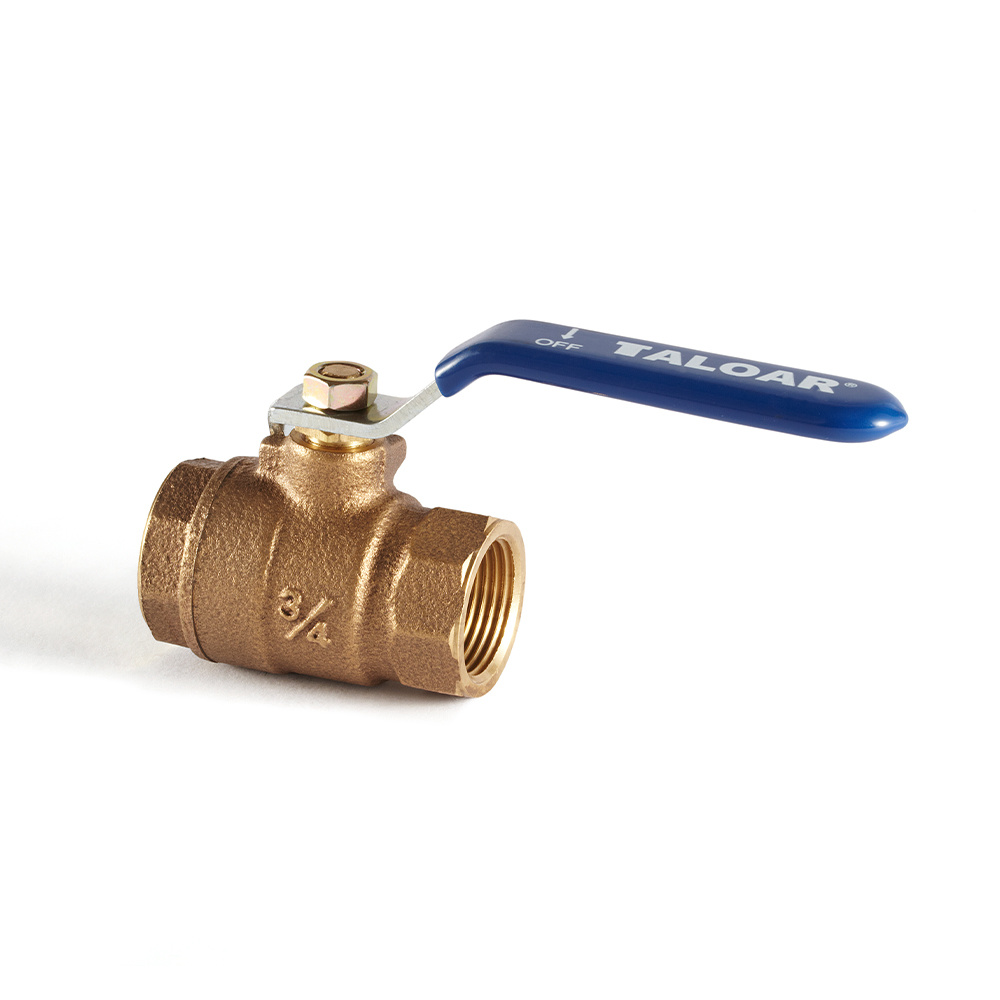
Offer straightforward quarter-turn isolation for smaller cooling branches, terminal equipment and maintenance points when material and pressure ratings match the fluid system.
| Requirement | Why It Matters | Typical Valve Function |
|---|---|---|
| Accurate flow control | Supports consistent coolant delivery as server load varies. | Modulating control or pressure-independent balancing |
| Reliable shut-off | Allows equipment or branches to be serviced without interrupting the entire loop. | Ball valve, butterfly valve or automated isolation valve |
| Low pressure loss | Helps reduce pumping demand and preserve available pressure at critical branches. | Correctly sized valve with suitable flow coefficient |
| Control compatibility | Enables coordinated operation with CDU, BMS or plant controls. | Electric actuator and appropriate control signal |
| Fluid compatibility | Protects valve body, trim and seals when water-glycol or another coolant is used. | Compatible body, seat and sealing materials |
Valve sizing should be based on real operating data. Before selecting a valve, confirm the heat-transfer fluid and concentration, normal and maximum flow, supply and return temperatures, design pressure, available differential pressure, pipe size, connection standard, control mode, fail position and required feedback. Oversized control valves can reduce controllability, while undersized valves can create excessive pressure loss.
For variable-flow circuits, review valve authority and differential-pressure behavior across minimum and maximum load. For isolation points, consider shut-off performance, operating frequency and maintenance access. Material compatibility should be checked for every wetted component, particularly where glycol mixtures or specially formulated coolants are present. TALOAR’s technical support team can help compare these conditions with available valve configurations.
TALOAR designs and manufactures fluid-control products for commercial, water and industrial applications. Our valve portfolio allows a data center project to coordinate multiple valve functions across terminal cooling equipment, distribution loops and facility piping. Existing data center references include computing centers and large information facilities where TALOAR products are used in cooling-water and air-conditioning pipelines.
Visit our Cloud Computing solution to review data center applications, or browse the complete TALOAR valve range. For project-based selection, provide your piping diagram, design conditions and control requirements through our business inquiry page.
Common types include pressure-independent control valves, motorized control valves, balancing valves, butterfly valves and ball valves. The correct type depends on whether the position requires regulation, balancing, automated isolation or manual shut-off.
Usually not. Small rack branches, CDU circuits and large facility-water headers have different sizes, pressure drops and control duties. A combination of control, balancing and isolation valves normally provides better system performance.
Suitability depends on glycol type and concentration, temperature, pressure, valve material and seal selection. Provide the full fluid specification so compatibility can be confirmed before ordering.
Key inputs include fluid type, flow range, inlet and outlet pressure or available differential pressure, operating temperature, pipe size, connection, control signal and required shut-off or fail-safe function.
Send TALOAR your design flow, pressure, fluid and control requirements for a project-specific valve recommendation.
Copyright © TALOAR All Rights Reserved